What 'live cultures' means
Live cultures are beneficial live microorganisms present in some fermented foods. When you eat them, they can reach your gut and contribute to a healthy microbiome. However, simply eating a fermented food does not guarantee you are getting live microbes: many products are heat-processed after fermentation, which kills the bacteria and yeasts.
Understanding the difference between 'live cultures' and 'probiotic' is essential. Probiotics are defined as live microorganisms that, when consumed in adequate amounts, confer a health benefit. Not every live culture has been shown to provide a specific health benefit, so the presence of live cultures does not automatically make a food 'probiotic.'
Sources: Integrative Medicine: A Clinician's Journal, Align Probiotics, Children's Hospital of Philadelphia, The Nutrition Source, Harvard T.H. Chan School of Public Health
Dairy Foods That Naturally Contain Live Cultures
Yogurt is the most well-known live-culture dairy food. When it is labeled 'live and active cultures' or carries the National Yogurt Association's voluntary seal, it contains live bacteria such as Lactobacillus bulgaricus and Streptococcus thermophilus. However, not all yogurts qualify: heat treatment after culturing or freezing can destroy these microbes. Frozen yogurt, for example, typically does not provide probiotics.
Kefir is a fermented milk drink that contains a complex mix of lactic acid bacteria and yeasts, making it a rich source of live cultures when not pasteurized after fermentation. Cultured buttermilk and acidophilus milk may also contain live cultures if they have not been heat-treated after fermentation.
Some cheeses, particularly raw or unpasteurized varieties, may contain live cultures, though few cheeses have been studied for probiotic benefits. If you choose cheese for live cultures, look for raw versions that have not been heat-treated.
Sources: Children's Hospital of Philadelphia, Andrew Weil Center for Integrative Medicine, University of Arizona, Align Probiotics
Fermented Vegetables: Sauerkraut, Kimchi, and Pickles
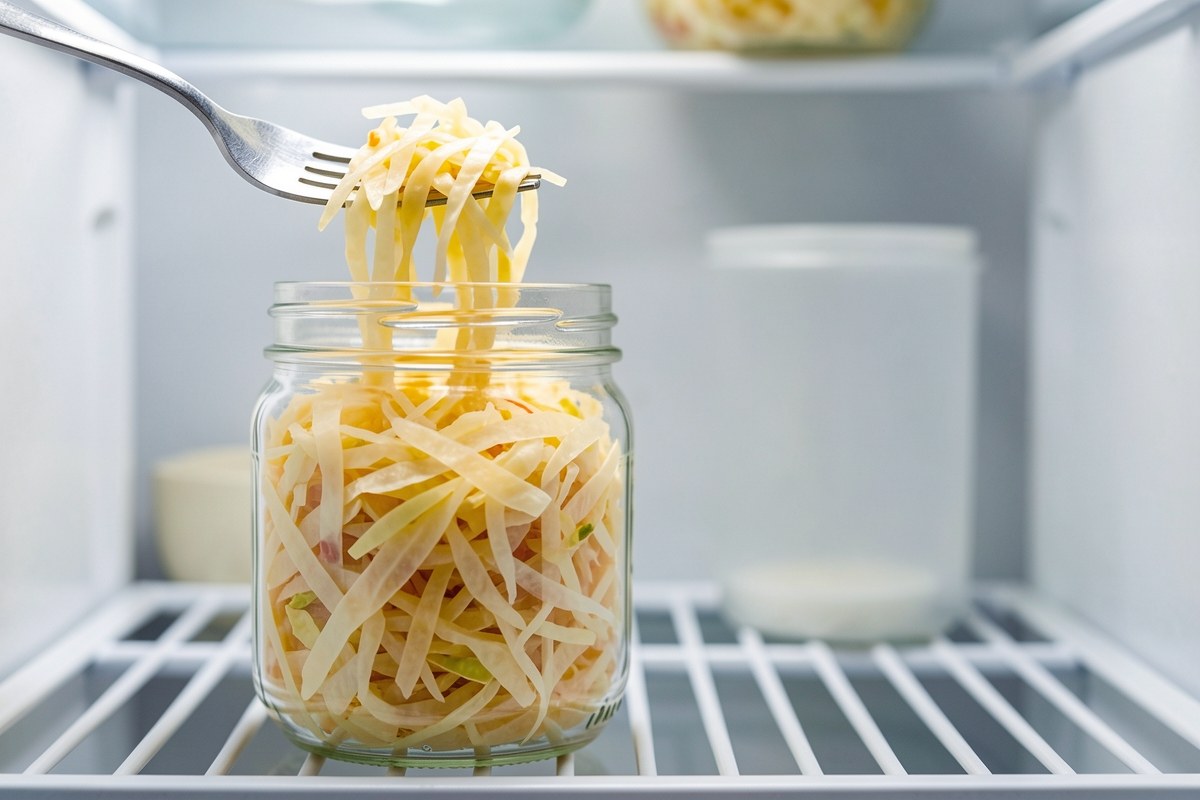
Fermented vegetables can be excellent sources of live cultures, but only if they are raw and unpasteurized. Traditional sauerkraut is made by fermenting cabbage with salt, and the resulting lactic acid bacteria give it a tangy flavor. However, many commercial sauerkraut products are pasteurized or heat-processed to extend shelf life, which kills the live cultures. To get live microbes, look for sauerkraut labeled 'raw' or 'unpasteurized' and sold refrigerated.
Kimchi, a spicy Korean fermented vegetable dish, typically contains live lactic acid bacteria when made traditionally and not heated. Pickles are trickier: only naturally fermented dill pickles (brined in salt water, not vinegar) that are refrigerated contain live cultures. Vinegar-processed pickles are not fermented and lack live microbes.
When shopping, check the label and the refrigerated section. If a fermented vegetable product is shelf-stable, it has almost certainly been pasteurized and its live cultures destroyed.
Sources: Andrew Weil Center for Integrative Medicine, University of Arizona, Food Science and Biotechnology, Align Probiotics
Soy-Based and Other Plant-Based Live-Culture Foods
Miso, a fermented soybean paste, contains live cultures if it is not boiled. Miso is typically used to make soup, and adding it at the end of cooking—after the soup has cooled slightly—can preserve its live microbes. Tempeh, another fermented soy product, is usually cooked before eating, which kills the live cultures, so it is not a reliable source.
Plant-based yogurts made from cashew, coconut, soy, or almond milk can contain live cultures if they are labeled 'live and active cultures.' These products are increasingly available and can be a good option for people who avoid dairy.
Other plant-based fermented foods, like natto, may contain live cultures, but they are not included in this guide's primary evidence.
Sources: Integrative Medicine: A Clinician's Journal, Children's Hospital of Philadelphia, Andrew Weil Center for Integrative Medicine, University of Arizona, Align Probiotics
Beverages with Live Cultures: Kefir and Kombucha
Kefir is a fermented milk drink that typically contains live cultures, but you can also find water kefir as a dairy-free alternative. Kombucha is a fermented tea that contains live bacteria and yeasts, often referred to as a SCOBY (symbiotic culture of bacteria and yeast). Both kefir and kombucha are sold refrigerated and should be labeled as containing live cultures.
Be cautious with commercially produced versions that may be pasteurized after fermentation to stop the culturing process. Always check the label for phrases like 'live and active cultures' or 'contains active cultures.'
Sources: Children's Hospital of Philadelphia, Andrew Weil Center for Integrative Medicine, University of Arizona, Food Science and Biotechnology
How to Verify Live Cultures on Food Labels
To confirm a food has live cultures, look for specific statements on the label. Phrases such as 'live and active cultures' or 'contains active cultures' are good indicators. For yogurt, the National Yogurt Association has a voluntary 'Live and Active Cultures' seal, which sets a minimum of 100 million CFU per gram at manufacture.
For fermented vegetables, seek out 'raw,' 'unpasteurized,' or 'naturally fermented' on the package. These products are typically sold refrigerated. If a fermented food is shelf-stable or has been heat-treated, it likely does not contain live cultures.
Be aware that the FDA does not regulate the term 'live cultures' on food labels. The claims are voluntary, so you must rely on these label cues and the product's refrigeration status.
Sources: Integrative Medicine: A Clinician's Journal, Children's Hospital of Philadelphia, Andrew Weil Center for Integrative Medicine, University of Arizona, US Department of Veterans Affairs, Whole Health Library
Common Pitfalls in Identifying Live-Culture Foods
Assuming all fermented foods have live cultures: Heat treatment, pasteurization, or baking can kill microorganisms. Examples include bread (including sourdough), most shelf-stable sauerkraut, and tempeh that is cooked.
Thinking 'probiotic' and 'live cultures' are the same: A 'probiotic' must have demonstrated health benefits, whereas 'live cultures' merely indicates living microbes. A food with live cultures is not necessarily probiotic.
Overlooking plant-based options: Nondairy yogurts can contain live cultures if they are labeled properly. Also, some prebiotic sodas claim to support gut health, but evidence for their benefits is limited.
Assuming frozen yogurt has live cultures: Freezing and storage may reduce the viability of cultures, so frozen yogurt is generally not a reliable source.
Sources: Align Probiotics, The Nutrition Source, Harvard T.H. Chan School of Public Health, Children's Hospital of Philadelphia
Summary Table of Typical Live-Culture Foods
The table below summarizes foods that commonly contain live cultures, the conditions under which they do, and the typical strains or fermenting agents involved.
| Food | Typical live-culture status | Common strains or fermenting agents | How to verify |
|---|---|---|---|
| Yogurt | Usually, if labeled 'live and active cultures' | Lactobacillus bulgaricus, Streptococcus thermophilus | Look for 'live and active cultures' seal or statement |
| Kefir | Usually, if not pasteurized after fermentation | Multiple lactic acid bacteria and yeasts | Check for raw/unpasteurized or live culture label |
| Sauerkraut | Only if raw or unpasteurized and refrigerated | Lactic acid bacteria | Look for 'raw' or 'unpasteurized' in refrigerated section |
| Kimchi | Usually, if raw and unpasteurized | Lactic acid bacteria (e.g., Lactobacillus) | Check for raw/unpasteurized and refrigerated |
| Miso | Yes, if not boiled | Koji (fungus) | Add to soups after cooking |
| Tempeh | Typically no after cooking | Rhizopus (fungus) | Unlikely to have live cultures if cooked |
| Kombucha | Yes, contains live bacteria and yeast | SCOBY (symbiotic culture of bacteria & yeast) | Look for 'live cultures' on label |
| Pickles | Only if naturally fermented and refrigerated | Lactic acid bacteria | Check for 'naturally fermented' and refrigerated |
Sources: Integrative Medicine: A Clinician's Journal, Align Probiotics, Children's Hospital of Philadelphia, Andrew Weil Center for Integrative Medicine, University of Arizona, Food Science and Biotechnology
Introduction to Probiotic Foods and Nutrition
Probiotic foods, which include some live-culture foods, are of interest because they may help maintain a healthy gut microbiome. While the science is still evolving, fermented foods like yogurt and kefir are rich in beneficial nutrients such as calcium, protein, and B vitamins.
However, it's important to remember that the term 'probiotic' implies a health benefit, which not all live-culture foods have been proven to deliver. For most healthy people, eating a variety of live-culture foods can be part of a balanced diet.
When choosing probiotic foods, consider the overall nutritional profile. For example, some yogurts are high in added sugar, so compare plain, unsweetened options when possible.
Sources: Children's Hospital of Philadelphia, Andrew Weil Center for Integrative Medicine, University of Arizona, The Nutrition Source, Harvard T.H. Chan School of Public Health
Criteria for Inclusion
The foods listed in this reference were selected based on evidence from peer-reviewed literature and authoritative health resources. The primary inclusion criteria were: (1) the food is sold in the United States and commonly available; (2) it has been identified as containing live cultures when consumed in its typical form; and (3) the evidence supports the conditions under which live cultures are present.
Foods such as yogurt, kefir, miso, sauerkraut, kimchi, kombucha, and certain pickles met these criteria. Other traditionally fermented foods may also have live cultures, but they were not the focus of this guide.
Sources: Integrative Medicine: A Clinician's Journal, Food Science and Biotechnology
Yogurt and Fermented Dairy Products
Yogurt is a fermented dairy product created by adding specific bacterial strains to milk. If the yogurt is labeled 'live and active cultures,' it contains live microorganisms. Some yogurts, especially those treated with heat after fermentation, lose their live cultures. Greek yogurt and regular yogurt both can have live cultures, but check the label.
Other fermented dairy products include kefir, cultured buttermilk, acidophilus milk, and some cheeses. Kefir is particularly notable for its diverse microbial content. As with yogurt, look for products that have not been pasteurized after fermentation.
Sources: Children's Hospital of Philadelphia, Andrew Weil Center for Integrative Medicine, University of Arizona, Integrative Medicine: A Clinician's Journal
Fermented Vegetables (Sauerkraut, Kimchi, Pickles)
Fermented vegetables are made through a process of lacto-fermentation, where natural bacteria feed on sugars and produce lactic acid. This creates an acidic environment that preserves the vegetables and provides a tangy flavor. The live cultures in these products are the lactic acid bacteria.
The challenge with commercial fermented vegetables is that many are pasteurized or heat-processed to extend shelf life. To get live cultures, you must seek raw, unpasteurized options, typically found in the refrigerated section of grocery stores. The label should say 'raw' or 'unpasteurized.'
Sources: Andrew Weil Center for Integrative Medicine, University of Arizona, Food Science and Biotechnology
Soy-Based Fermented Foods (Miso, Tempeh)
Miso and tempeh are both made from soybeans, but their live-culture status differs. Miso is a paste made by fermenting soybeans with koji, a fungus. It contains live cultures when not subjected to high heat. Because miso is usually added to hot soup, you can preserve its live cultures by stirring it in after the soup has cooled slightly.
Tempeh, on the other hand, is a cake of fermented soybeans bound by a fungus (Rhizopus). It is typically cooked before eating, which kills any live cultures. Therefore, tempeh is not considered a good source of live cultures as consumed.
Sources: Children's Hospital of Philadelphia, Align Probiotics
Other Fermented Foods and Beverages (Kefir, Kombucha)
Kefir and kombucha are fermented beverages that have become popular for their live-culture content. Kefir can be made from dairy or water, and it contains a symbiotic mix of bacteria and yeast. Kombucha is a fermented tea made with a SCOBY, a culture of bacteria and yeast. Both are usually sold refrigerated and contain live cultures unless pasteurized.
When purchasing kefir or kombucha, check for 'live cultures' or 'raw' on the label. Some commercial brands pasteurize to stop fermentation, which eliminates live cultures.
Sources: Children's Hospital of Philadelphia, Andrew Weil Center for Integrative Medicine, University of Arizona, Food Science and Biotechnology
Label Reading and What to Look For
Reading labels is the most reliable way to identify foods with live cultures. Look for explicit statements like 'live and active cultures,' 'contains active cultures,' or 'raw.' For yogurt, the 'Live and Active Cultures' seal is a helpful voluntary indicator.
Pay attention to the product's location in the store: live-culture foods are typically kept refrigerated. Be cautious with shelf-stable fermented products, as they are likely pasteurized. Also, be aware that terms like 'made with live cultures' may not guarantee that live cultures are present at the time of consumption, because processing after fermentation can kill them.
Sources: Children's Hospital of Philadelphia, Andrew Weil Center for Integrative Medicine, University of Arizona, US Department of Veterans Affairs, Whole Health Library
how to use this list
This reference provides a starting point for identifying foods that genuinely contain live cultures. Remember that the presence of live cultures depends on the specific product and its processing, not just the food category.
To incorporate more live-culture foods into your diet, choose refrigerated, unpasteurized options when possible, and read labels carefully. You can also explore other resources on this site, such as guides to probiotic strains, yogurt selection, and adding probiotic foods to your meals.
Always consult a healthcare provider if you have specific health concerns, especially if you are immunocompromised or have underlying conditions.
Sources: Children's Hospital of Philadelphia, Andrew Weil Center for Integrative Medicine, University of Arizona
Frequently asked questions
Is all yogurt considered a live-culture food?
No. Only yogurt that has not been heat-treated after culturing contains live cultures. Look for labels saying 'live and active cultures' or a seal from the National Yogurt Association. Frozen yogurt typically does not provide live cultures because of the processing involved.
Sources: Children's Hospital of Philadelphia, Andrew Weil Center for Integrative Medicine, University of ArizonaWhat does 'live and active cultures' guarantee?
It indicates that the product contains live microorganisms at the time of manufacture. For yogurt, the voluntary seal from the National Yogurt Association guarantees a minimum of 100 million CFU per gram at that point. However, it does not guarantee that the product is a probiotic, since a health benefit must be demonstrated separately.
Sources: Integrative Medicine: A Clinician's Journal, Andrew Weil Center for Integrative Medicine, University of ArizonaCan pasteurized sauerkraut still have live cultures?
No. Pasteurization or heat processing kills the live lactic acid bacteria. To get live cultures, choose sauerkraut labeled 'raw' or 'unpasteurized' and sold refrigerated.
Sources: Food Science and Biotechnology, US Department of Veterans Affairs, Whole Health LibraryAre there live cultures in cheese?
Some raw or unpasteurized cheeses may contain live cultures, but few cheeses have been studied for probiotic benefits. If you are looking for a reliable live-culture food, yogurt, kefir, and properly labeled fermented vegetables are better choices.
Sources: Align ProbioticsWhat is the easiest way to tell if a food has live cultures?
Look for label phrases such as 'live and active cultures,' 'contains active cultures,' or 'raw.' Additionally, live-culture foods are usually sold refrigerated, not shelf-stable. When in doubt, choose products from the refrigerated section that explicitly mention live cultures.
Sources: Children's Hospital of Philadelphia, US Department of Veterans Affairs, Whole Health LibraryAre all fermented foods probiotic?
No. Fermented foods contain live microorganisms, but the label of 'probiotic' requires evidence of a specific health benefit. Many fermented foods, especially those that are heat-processed, do not contain live cultures at all. The term 'probiotic' should not be used interchangeably with 'fermented.'
Sources: The Nutrition Source, Harvard T.H. Chan School of Public Health, Align ProbioticsWhich yogurt has the most live probiotics?
There is no single yogurt with the most live probiotics, as strains and counts vary by product. Yogurts labeled with the 'Live and Active Cultures' seal are guaranteed to contain at least 100 million CFU per gram at manufacture, but actual amounts can differ. For specific strains, check the label for names like Lactobacillus or Bifidobacterium.
Sources: Integrative Medicine: A Clinician's Journal, Andrew Weil Center for Integrative Medicine, University of ArizonaIs sauerkraut from a jar still probiotic?
Sauerkraut from a jar is often pasteurized and sold shelf-stable, which means it does not contain live cultures. To get probiotic sauerkraut, look for jars in the refrigerated section that are labeled 'raw' or 'unpasteurized.' These products retain live lactic acid bacteria.
Sources: Food Science and Biotechnology, US Department of Veterans Affairs, Whole Health LibrarySources
- Probiotics and Disease: A Comprehensive Summary—Part 2, Commercially Produced Cultured and Fermented Foods Commonly Available in the United States — Integrative Medicine: A Clinician's Journal
- 13 Probiotic Foods for Gut Health — Align Probiotics
- Food as Medicine: Probiotic Foods — Children's Hospital of Philadelphia
- Top 5 Probiotic Foods for Gut Health — Andrew Weil Center for Integrative Medicine, University of Arizona
- Plant-based probiotic foods: current state and future trends — Food Science and Biotechnology
- Probiotics for Gut Health — The Nutrition Source, Harvard T.H. Chan School of Public Health
- Promoting a Healthy Microbiome with Food and Probiotics — US Department of Veterans Affairs, Whole Health Library